10 hr
Nara, Fushimi Inari & Arashiyama Day Tour from Kyoto/Osaka
Encounter sacred deer, walk through thousands of torii gates, and explore bamboo groves on this guided bus journey
Reserve
Hand-picked by our editors — only the best 5 itineraries from 47 reviewed.
Verified partners for every tour, free cancellation where available, and instant confirmation on every booking.
10 hr
Encounter sacred deer, walk through thousands of torii gates, and explore bamboo groves on this guided bus journey
Reserve
10 hr
Visit three beloved Japanese destinations in one day: serene bamboo groves, deer-filled parkland, and thousands of sacred red gates
Reserve
10 hr
Explore UNESCO temples, sacred shrines, and serene bamboo forests on this comprehensive day trip from Osaka or Kyoto
ReservePrices from verified partners. Availability updates in real time at checkout. Free cancellation policies apply where shown.
The landmarks, rooms, and views travelers on this tour remember — all visible on a single visit.
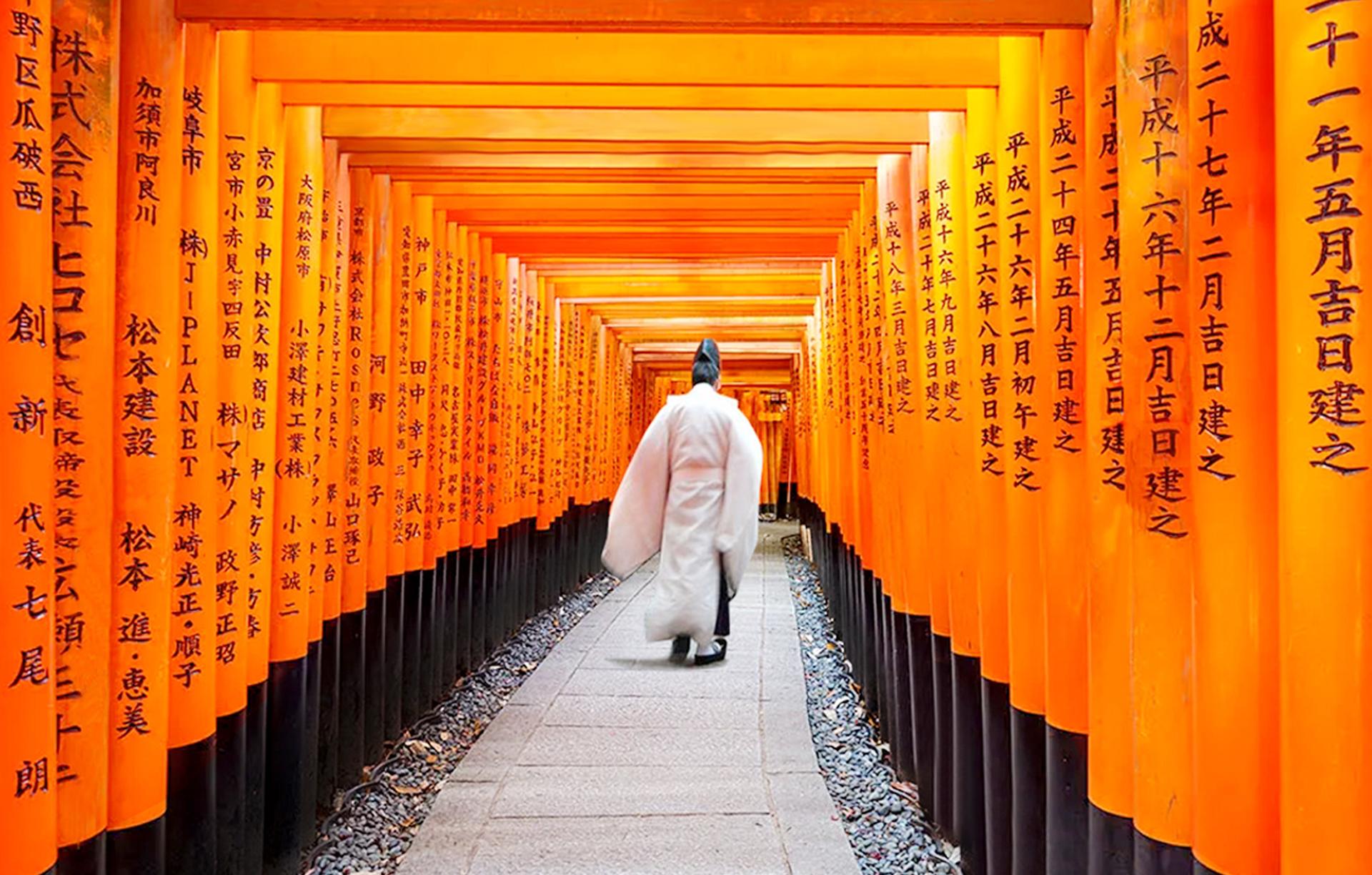
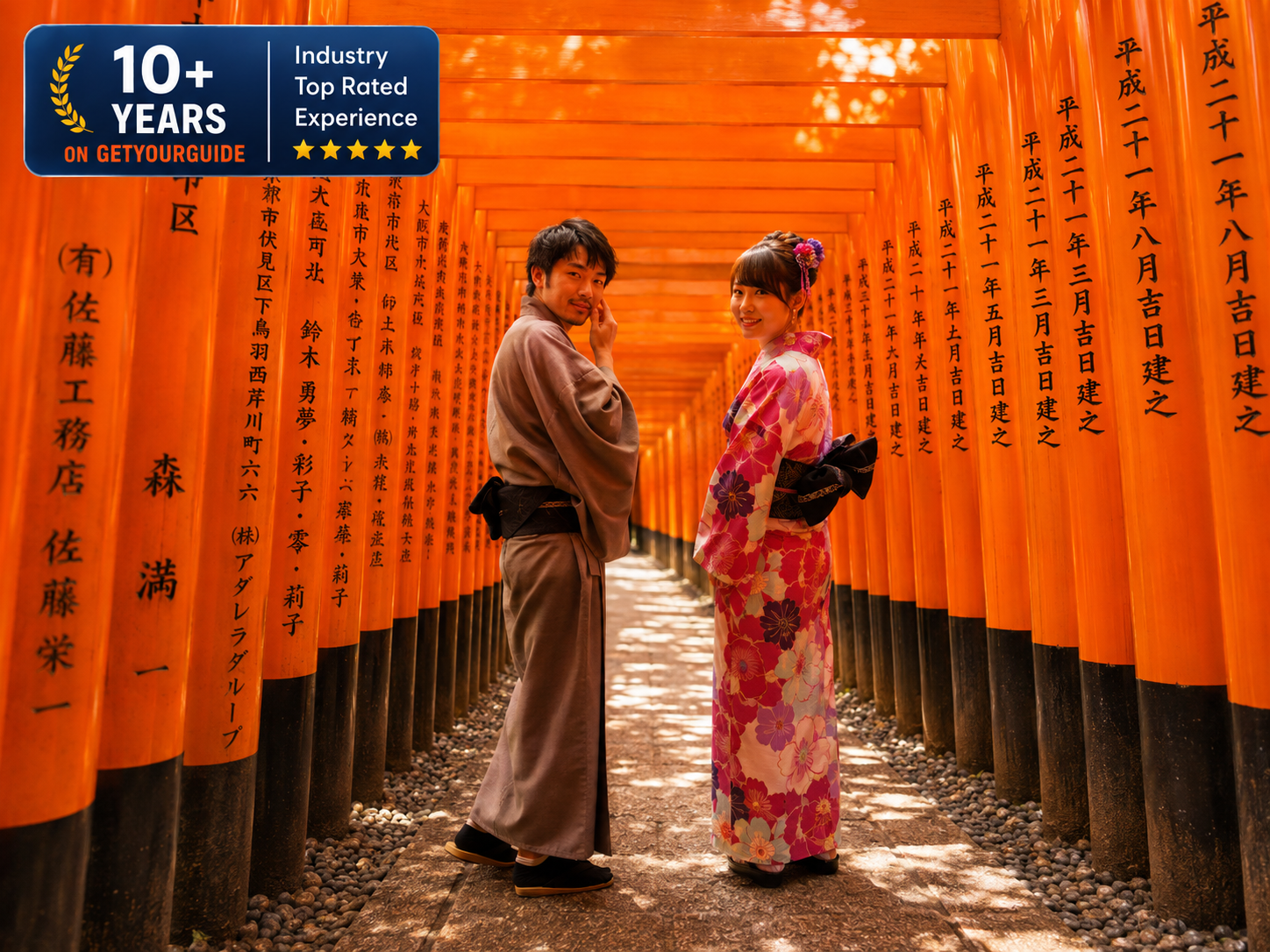
Walk through thousands of vibrant vermilion gates forming tunnels up the mountain. The shrine dates back to 711 AD.
Home to one of the largest bronze Buddha statues in the world. The main hall is a marvel of ancient wooden engineering.
Observe over 1,000 free-roaming deer considered messengers of the gods. They are a protected national treasure.
Explore thousands of stone and bronze lanterns donated by worshipers. The path is surrounded by a dense forest setting.
Experience the massive wooden stage built without using a single nail. It offers an elevated view of Kyoto city.
Guided excursions offer a seamless experience for those prioritizing logistics, while independent rail travel provides superior freedom for exploring UNESCO heritage landmarks at your own pace.
| Feature | Top pick Guided Day Tour | Independent Rail |
|---|---|---|
Ease of navigation |
Managed by professional guides | Requires self-planned transit routes |
Flexibility of schedule |
Fixed itinerary and departure times | Fully customizable timing and stops |
Total cost |
Higher per person rate | Lower cost via regional passes |
Group size |
Typically 15 to 40 guests | Solo or private groups only |
Depth of commentary |
Expert historical context provided | Relies on guidebooks or audio apps |
Stress factor |
Minimal navigation required | Requires handling complex train transfers |
| See tickets → |
Verdict: Opt for the kyoto and nara day tour from osaka itinerary tours to avoid planning fatigue, or choose independent travel if you prefer maximizing time at specific temple sites.
Choose your ticket, select your date, and reserve in under two minutes. Secure checkout handled by our verified partner.
Instant confirmation by email, with a mobile voucher you can save offline. No printing, no queuing at a collection desk.
Arrive at the entrance, show your voucher on your phone, and walk in. Most tickets include priority or skip-the-line access.
Practical details for your visit straight from our verified partners — hours, access, rules, and how to get there.
Kyoto, Shimogyo Ward
Central hub for regional rail
Use the JR Nara Line or Kintetsu Line for direct access between cities. Efficient rail networks make a kyoto and nara day tour from osaka itinerary seamless.
Expressways connect the cities but parking is limited near major landmarks. Train travel is faster for a kyoto and nara day tour from osaka itinerary.
Modest clothing is recommended when visiting historic temples and shrines. Ensure shoulders and knees are covered to respect local customs during your kyoto and nara day tour from osaka itinerary.
Lockers are available at major train stations like Kyoto Station and Nara Station for storing large luggage. Keep valuables with you at all times during your kyoto and nara day tour from osaka itinerary.
Photography is generally permitted in outdoor temple areas and parks. Always observe signage regarding restricted areas inside sacred halls on your kyoto and nara day tour from osaka itinerary.
Major sites like Nara Park provide paved paths for wheelchairs. Some historic temple stairs may lack ramps, so plan your kyoto and nara day tour from osaka itinerary route accordingly.
Mobile phone use is encouraged for navigation and digital maps. Keep devices on silent mode while inside temple interiors on your kyoto and nara day tour from osaka itinerary.
The region is suitable for families, especially the open spaces of Nara Park. Strollers are useful, though some temple grounds have gravel paths during a kyoto and nara day tour from osaka itinerary.
Local restaurants are abundant, offering traditional kaiseki or casual ramen. Bringing reusable water bottles is helpful during a hot kyoto and nara day tour from osaka itinerary.
Pets are generally not permitted inside temple buildings or protected shrine precincts. Service animals are exempt when following local regulations during your kyoto and nara day tour from osaka itinerary.
The entrance fee is 0 JPY for the general public at most outdoor sites. Pre-booking transport passes can streamline your kyoto and nara day tour from osaka itinerary.
Best time to go, insider tips, nearby landmarks, and the cancellation fine print — flip through to skim what matters to you.
How crowds, weather, and events shift across the year.
Late March to April features cherry blossoms with mild temperatures. This is the peak season for a kyoto and nara day tour from osaka itinerary.
June to August brings high heat and the Gion Matsuri festival. Stay hydrated during your kyoto and nara day tour from osaka itinerary.
November offers vibrant fall foliage in temple gardens. Early morning starts are recommended for your kyoto and nara day tour from osaka itinerary.
December to February provides clear skies and fewer crowds. Crisp air makes for pleasant walking on your kyoto and nara day tour from osaka itinerary.
Small details that turn a good visit into a great one.
Arrive between 07:00–09:00 to avoid peak afternoon crowds at popular sites. This ensures a smoother kyoto and nara day tour from osaka itinerary.
Purchase a JR Pass or Kintetsu Rail Pass to save on transit costs. These are essential for a cost-effective kyoto and nara day tour from osaka itinerary.
You will walk extensively on your trip. Sturdy footwear is vital for any successful kyoto and nara day tour from osaka itinerary.
Keep small yen coins for vending machines and temple donation boxes. Many smaller vendors on a kyoto and nara day tour from osaka itinerary do not take cards.
Summer humidity requires extra caution. Adjust your kyoto and nara day tour from osaka itinerary pace if temperatures spike.
Non-bookable sights within a short walk — free to visit, easy to pair.
An iconic wooden temple offering panoramic views. It is a UNESCO World Heritage site.
Features a massive bronze Buddha statue in a wooden hall. Located within Nara Park.
Known for thousands of stone and bronze lanterns. Surrounded by primordial forest.
A bustling food market known as Kyoto's Kitchen.
Flexible, no hidden fees.
Full refunds are available for cancellations made at least 24 hours before the tour start time. No refunds will be provided for late arrivals or no-shows.
Hand-picked options within walking distance — pick a district for vibe, or a specific hotel for convenience.
Directly connected to the main transit hub.
Historic property with classic architecture.
Abundant mid-range options for travelers.
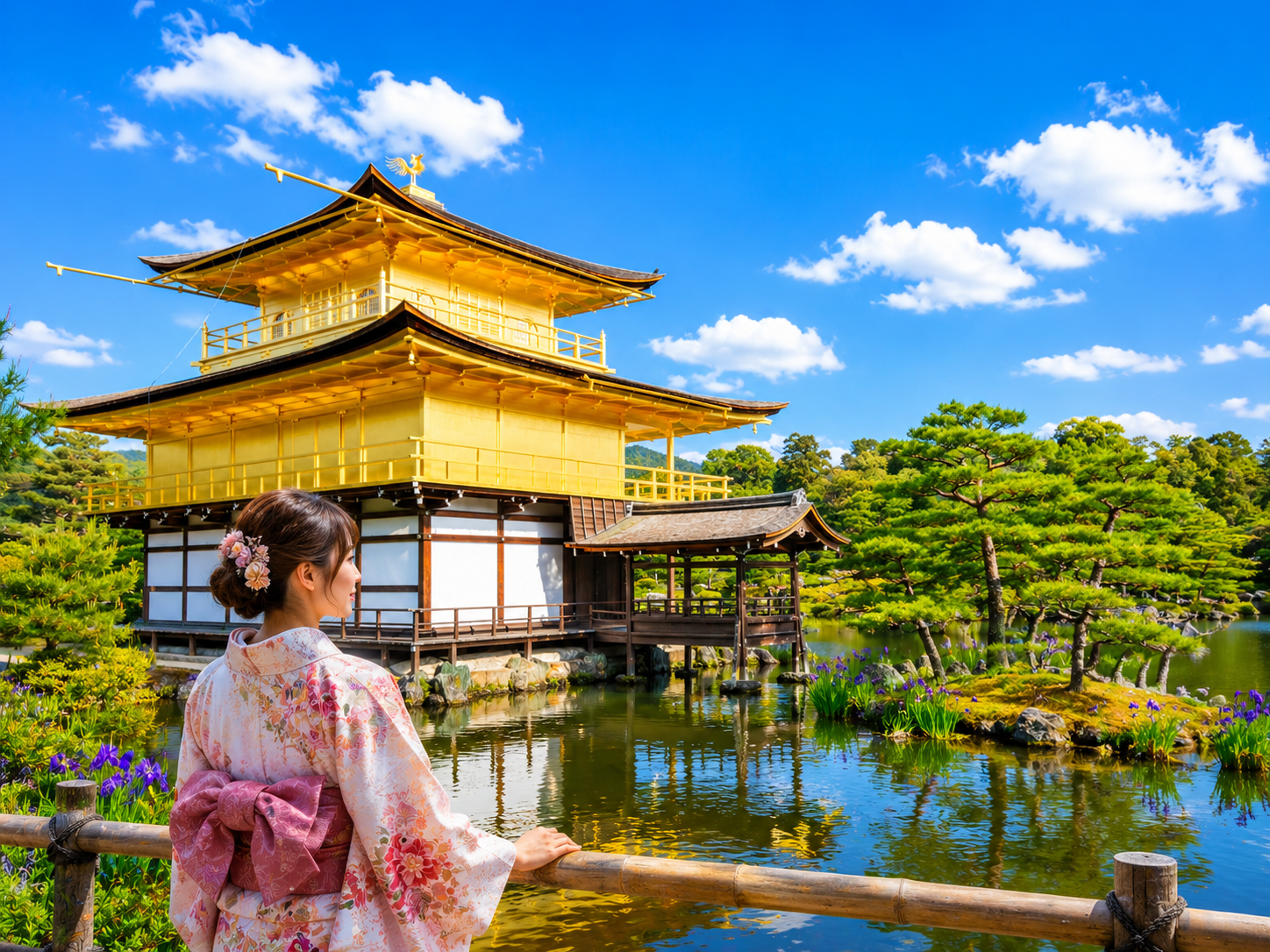
The Tokaido rail corridor connecting Osaka, Kyoto, and Nara compresses 1,300 years of Japanese imperial history into 90 minutes of track. Nara served as the nation's capital from 710 to 794 CE, its gridded streets modeled on China's Tang Dynasty Chang'an. Kyoto succeeded it for the next millennium, sheltering the imperial court through feudal upheaval and wartime bombings that left its wooden architecture miraculously intact. Today the three cities form the Kansai region's cultural spine, each city preserving distinct chapters of courtly Buddhism, Shinto tradition, and aristocratic aesthetics. A Kyoto and Nara day tour from Osaka itinerary typically weaves through six to eight UNESCO-inscribed sites, beginning with Fushimi Inari's 10,000 vermillion torii gates—donated by Edo-period merchants seeking the fox deity's commercial favor—and continuing to Nara's Todai-ji Temple, where the Daibutsu bronze Buddha has sat cross-legged since 752 CE, surviving earthquakes, civil war, and two reconstructions. The temple's wooden hall remains the world's largest, its massive pillars hewn from single cryptomeria trunks. In Nara Park, 1,200 sika deer roam freely, descendants of herds considered divine messengers of the Kasuga Taisha shrine. Visitors purchase senbei crackers pressed from rice bran; the deer bow in practiced supplication before snatching them. Kyoto's Arashiyama district anchors most itineraries with its bamboo grove—culms rising 25 meters, their rustling scored into temple meditation recordings—and Tenryu-ji, a Rinzai Zen temple whose borrowed-scenery garden frames the forested Arashiyama mountains beyond a mirror pond. Kinkaku-ji, the Golden Pavilion, applies gold leaf to its upper two stories, a 14th-century shogun's retirement villa reflecting in the Kyoko-chi pond according to Pure Land Buddhist cosmology. The current structure dates to 1955, rebuilt after a novice monk's arson; the gold was reapplied in 1987 using five times the original thickness. Multi-city Kansai tours solve the region's chief logistical challenge: Kyoto's 2,000 temples and shrines sprawl across 827 square kilometers with limited parking, while Nara's heritage zone lies 45 kilometers east. Coordinated itineraries compress transit, navigating the JR and Kintetsu rail networks to maximize site time. Most routes depart Osaka between 07:00 and 08:00, returning by 19:00, covering 12 to 14 hours with four to six major stops. The routes bifurcate: northern circuits prioritize Kinkaku-ji and Arashiyama; southern routes emphasize Fushimi Inari and extend into Uji for Byodo-in Temple, a phoenix-hall replica printed on the ten-yen coin since 1951.

"The Tokaido rail corridor compresses 1,300 years of Japanese imperial history into 90 minutes of track."
A step-by-step walkthrough of the visit — what you'll see, how long each stage takes, and the details that matter.
You board in Osaka's Namba or Umeda district at 07:30, the coach heading east as the city's concrete gives way to the Yodo River plain. Fushimi Inari arrives first—you climb through the initial torii tunnel, the vermillion gates densening as the slope steepens, pausing at the Yotsutsuji intersection where Kyoto's southern basin spreads below. Your group reconvenes after 60 minutes; some reach the summit shrine, others photograph the moss-edged stone foxes guarding the lower precincts. The coach crosses into Nara Prefecture by late morning. At Todai-ji, you remove your shoes at the Daibutsuden Hall's threshold and crane upward at the bronze Buddha—14.7 meters seated, its right hand raised in abhaya mudra. Outside, you purchase deer crackers; a doe bows twice before nibbling from your palm, her amber eyes patient, her coat dappled in summer light filtering through camphor trees. Afternoon returns you to Kyoto. At Arashiyama, you walk the bamboo path's 400-meter corridor, the culms swaying, their friction a dry whisper. Tenryu-ji's garden unfolds in calculated asymmetry—a single stone, a pruned pine, the mountains beyond framed as living scroll. If the itinerary includes Kinkaku-ji, you circle the pavilion's pond clockwise, the gold leaf incandescent against the water's teal, carp drifting beneath. You're back in Osaka by 19:00, the day's temples and deer and torii gates compressing into a single saturated memory.
Most outdoor sites are open 00:00–23:59, though specific temple halls have limited hours. Always check the site before visiting.
The entrance fee is 0 JPY for the general public at most landmarks. Always carry extra funds for temple offerings.
You should arrive between 07:00–09:00 to avoid peak afternoon crowds. This maximizes the value of your kyoto and nara day tour from osaka itinerary.
Yes, most major sites offer accessible paths. Review your specific kyoto and nara day tour from osaka itinerary map for details.
Yes, you may bring food, though eating is restricted inside temples. Enjoy a picnic in Nara Park during your kyoto and nara day tour from osaka itinerary.
Yes, photography is permitted in most outdoor areas. Be mindful of signs inside sacred spaces on your kyoto and nara day tour from osaka itinerary.
Use the frequent train lines between Kyoto and Nara. Public transport is the preferred method for a kyoto and nara day tour from osaka itinerary.
Yes, use station lockers for large bags. This keeps your hands free during a kyoto and nara day tour from osaka itinerary.
Yes, families are welcome at all sites. The open grounds are perfect for children on a kyoto and nara day tour from osaka itinerary.
Full refunds are available if you cancel 24 hours in advance. Confirm your kyoto and nara day tour from osaka itinerary tickets details upon booking.